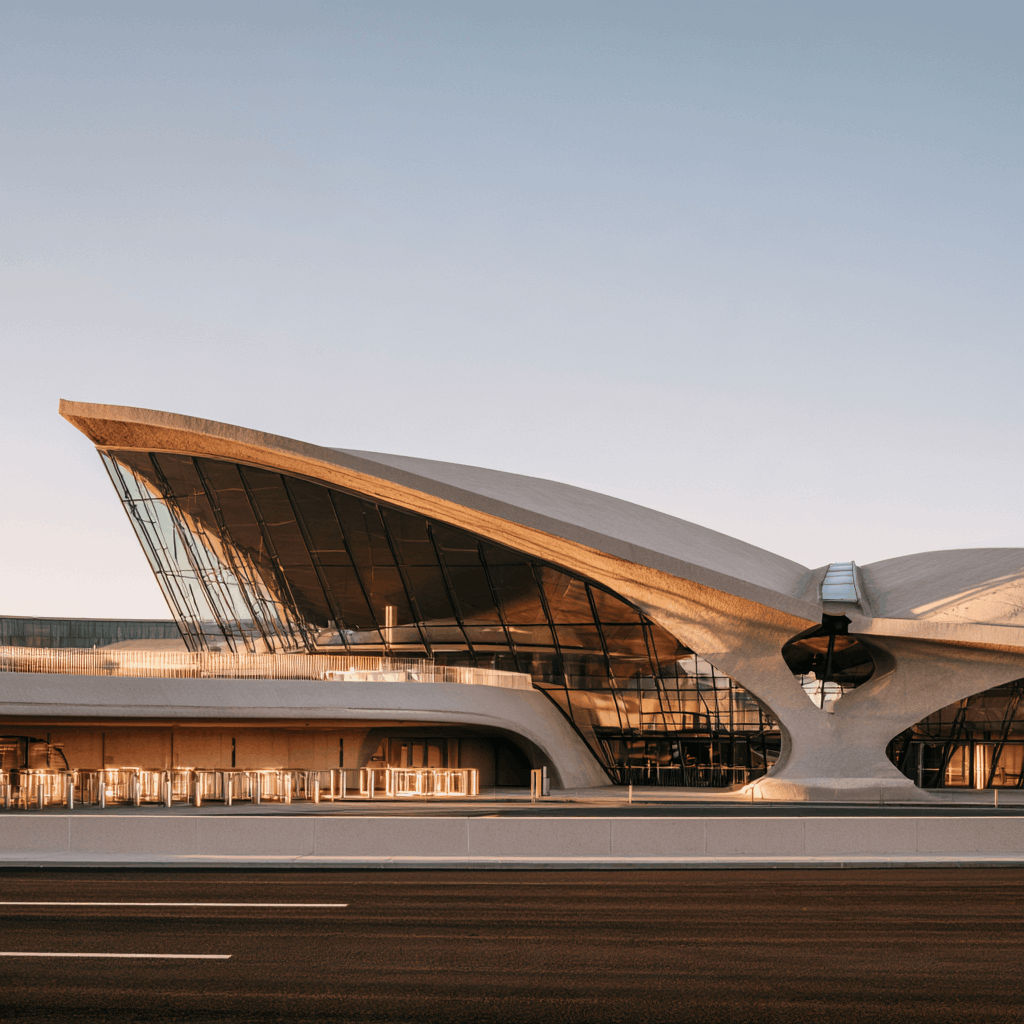
JFK is large, spread out, and can feel confusing the first time you arrive, especially if you land in one terminal and need to reach another. Knowing the basic layout and a few practical habits makes the whole place manageable.
The airport has several terminals linked by the free AirTrain and shuttle buses. Terminals 1, 4, 5, 7 and 8 handle most passenger traffic. Check your ticket for the correct one before you set off, because walking between them is not realistic. The AirTrain runs frequently and connects all terminals plus the local train and subway links. Follow the overhead signs once you land, they are generally clear even if the distances feel long.
Getting to the airport works best if you plan the last stretch carefully. The AirTrain links to the subway and the Long Island rail, and taxis or ride services drop off directly outside each terminal. Traffic on the access roads can slow down at peak times, so leave extra room if you are coming from Manhattan or further out. Parking is available but the lots are big and the walk or shuttle to the terminal can add time.
Inside the terminals the food options are spread along the main departure areas. You will find everything from quick coffee counters to sit-down places. Prices are higher than in the city, which is normal. If you have a longer wait, walk the full length of the terminal once to see what is open rather than stopping at the first crowded spot. Water fountains exist but are not always obvious, so refill when you see one after security.
Lounges are located in most terminals and can be a useful break if you have access or decide to pay for a short stay. They usually offer quieter seats, better wifi, and sometimes showers. Even without a lounge, look for the less busy gate areas further from the main shops. Those seats are often free and the noise level drops once you move away from the central halls.
Sleeping at JFK overnight is possible but not luxurious. Some terminals have quieter corners after midnight, especially near the higher-numbered gates. Bring a light layer because the air conditioning stays cold. Keep your bag close and set an alarm. A few travellers use the lounges that stay open, but most people simply find a row of seats away from the bright lights and announcements.
When something goes wrong the same steps apply as in other large airports. For a delayed or cancelled flight go to the airline desk in your terminal and ask about rebooking. If a bag is missing, stay at the carousel until it stops and then file the report at the baggage desk before you leave the arrivals area. Terminal changes can happen, so check the boards again after security and leave extra time if you need the AirTrain.
JFK rewards people who check the terminal number early, allow time for the internal transfers, and keep their documents easy to reach. Once you treat the distances as part of the process rather than a surprise, the airport becomes far less stressful and the wait feels more under control.

AI Website Builder