Security rules exist so the process stays predictable, but they still catch people out every day. Knowing the basics before you reach the trays makes the whole thing faster and far less stressful.
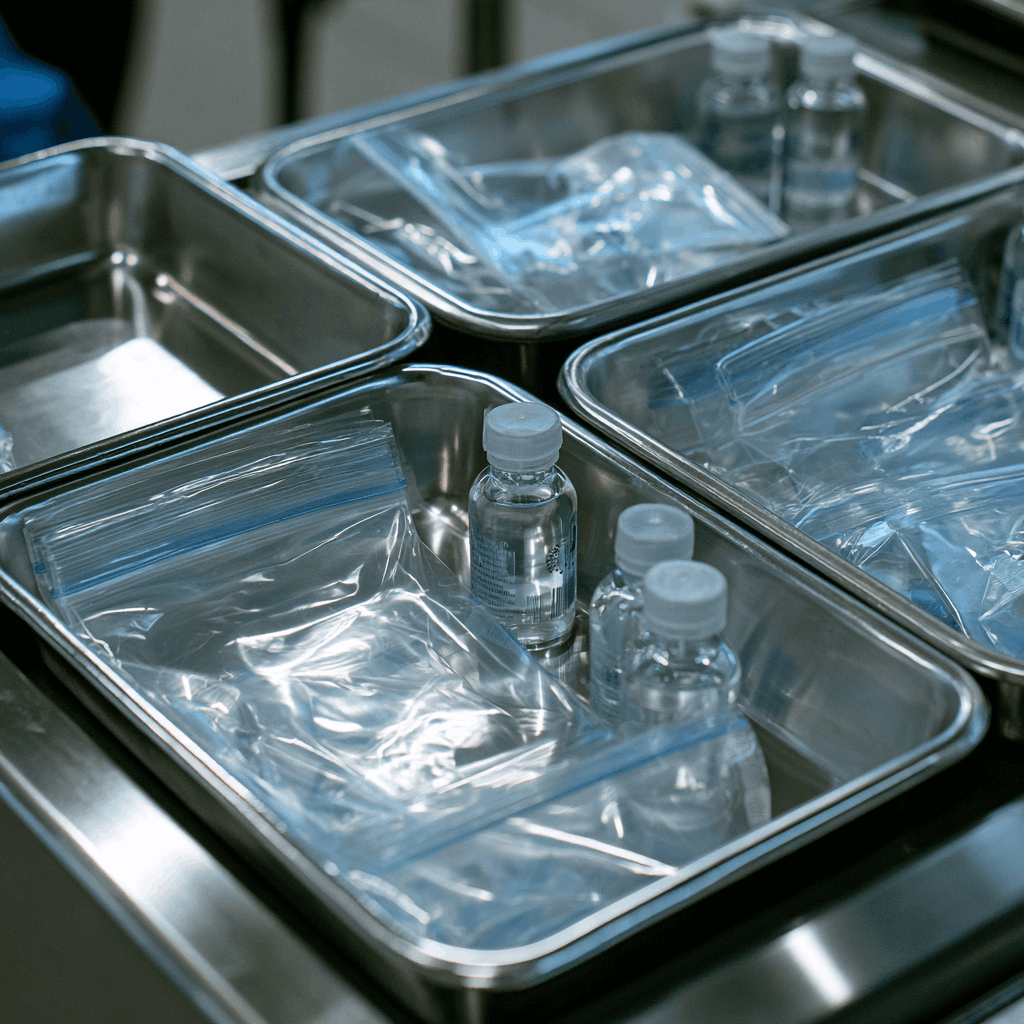
Liquids are the classic trap. Anything over 100 ml has to go in checked bags. The small bottles you do bring must fit inside one clear resealable bag, roughly the size of a sandwich bag, and that bag comes out of your cabin luggage at the scanner. Toothpaste, creams, perfume, even that half-used tube of hand gel all count. If the bottle looks bigger than 100 ml, even if it is nearly empty, expect them to ask you to throw it away. Water bottles bought after security are fine, but anything you carry through the checkpoint has to follow the limit.
Electronics usually need to come out of the bag. Laptops and larger tablets go in their own tray. Phones and small power banks can often stay in the bag, but if the screen shows something or the officer asks, just take them out. Keep the cables tidy so nothing tangles around other items. A loose battery that is not installed in a device can cause questions, so make sure spare batteries are properly protected.
Medicines get a bit more flexibility. Solid pills in original packaging are almost always allowed in any quantity you need for the trip. Liquid medicines over 100 ml are usually permitted if you declare them and have a prescription or a note from a doctor. Keep them in a separate clear bag if possible and tell the officer as soon as you reach the belt. The same applies to baby milk or special dietary liquids, though you may be asked to taste them.
Restricted items are the ones that simply do not travel in the cabin. Sharp knives, scissors with blades longer than a few centimetres, most tools, and anything that looks like a weapon stay in the hold or stay at home. Aerosols beyond the usual toiletries size, fireworks, and flammable liquids are out completely. Even some sports equipment can cause problems if the edges are hard. When in doubt, put the questionable item in the suitcase you are checking in.
One practical habit helps more than almost anything else: pack the security items so they are easy to reach. Clear bag of liquids near the top, laptop in a sleeve that slides out fast, medicines in one pocket. That way you are not digging while the line waits behind you. Rules can vary slightly between airports and countries, so a quick look at the airport site the day before is never wasted time. Get the small details right and the checkpoint becomes just another short step instead of a surprise.

Drag and Drop Website Builder